
THE HISTORY OF REIKI.
Its beginnings in Japan
Reiki, as it is practiced today, traces its origins to Mikao Usui in Japan in the early twentieth century.
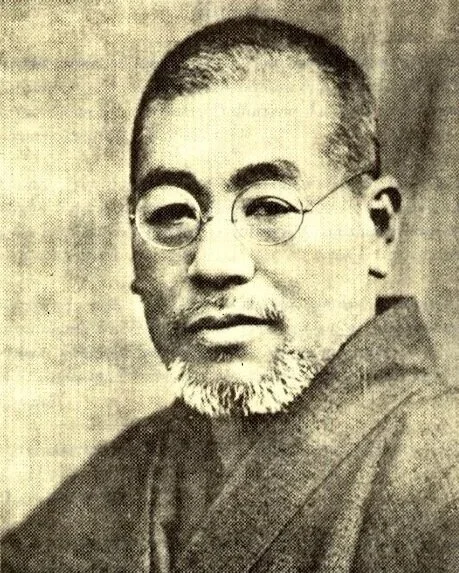
Born in 1865, Usui Sensei devoted much of his life to spiritual study and personal practice. In 1922, he established Usui Reiki Ryōhō in Tokyo, creating a method of practice and teaching that would go on to influence generations.
Mount Kurama, near Kyoto, is closely associated with the traditional account of Reiki’s beginnings and Usui Sensei’s period of spiritual practice and meditation.
Usui Sensei
Usui’s teachings were not limited to Reiki as a treatment. They also placed importance on daily practice, self-cultivation, meditation, and the principles by which one lives.
He taught students who would continue his work after his death in 1926. His memorial, erected in Tokyo in 1927, records his life and the development of his teachings, offering an important account of his legacy.
A living tradition
Following Usui Sensei’s death, his students carried Reiki forward. Chujiro Hayashi became an important figure in its development, and Hawayo Takata later introduced Reiki to Hawaii and helped establish its presence in the West.
Over time, Reiki developed into different lineages and forms of practice. The teachings preserved in Japan continued alongside the traditions that spread internationally.
More than a century after Usui established his method, his name remains at the centre of Reiki’s history. His teachings continue to be studied and passed from teacher to student, keeping his legacy present in the practice today.
Usui Sensei